A startup community starts with entrepreneurs
The bottom-up process of creating an ecosystem for innovation in northeast Indiana.
As local leaders plan the future of the old General Electric Co. campus, part of the puzzle is creating the right atmosphere.
They envision an environment that attracts the next generation of talent and gives them an ecosystem to thrive in northeast Indiana, funneling into regional businesses or launching ventures of their own.
But how do you create that culture?
That’s one of the challenges facing Crystal Vann Wallstrom.

As the first full-time hire of the future Electric Works campus, Vann Wallstrom has been named Managing Director of Innovation, and given 83,000 square feet in building 19 to create a hub for entrepreneurship in the region.
“It will be a collaboration of university, industry, and entrepreneurs,” Vann Wallstrom says. “We want to put those three in the same space and see those collisions happen, that community happen.”
Now the question is where to begin.
To assess the current state of northeast Indiana’s climate for startups and innovation, Greater Fort Wayne, Inc., in partnership with Cross Street Partners and Elevate Ventures, brought Chris Heivly, the co-founder of MapQuest, to town last fall.
Along with starting a company that sold to AOL for $1.2 billion, Heivly is part of a program called Techstars that helps communities like northeast Indiana around the world create conditions for the next high-growth startups to thrive.
He also happens to be a resident at the American Tobacco Campus in Durham, NC, which Electric Works is modeled after.
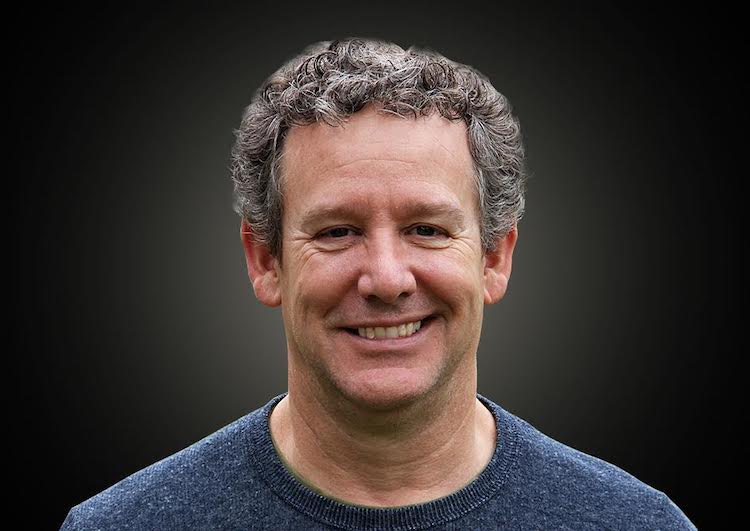
Heivly’s report on northeast Indiana says its startup community is in the early “emerging” state, and while the region has programs and resources for entrepreneurs, it needs to focus more on allowing entrepreneurs to create their own culture.
“What was interesting to me about the Heivly report is that we kind of have it upside down,” Vann Wallstrom says. “It was eye-opening for me and others to say, ‘What is our role as an organization in this entrepreneurial ecosystem? If we’re trying to grow entrepreneurs, are we doing it in the right way?'”
Coaching entrepreneurs
As former director of the Center for Creative Collaboration (C3) at Indiana Tech, Vann Wallstrom has experience working with entrepreneurs one-on-one, helping students get internships at local startups, and connecting emerging leaders to networks in the community.
“One of the biggest things I saw need for was coaching and access to a larger community of founders who could share what has worked for them, and what hasn’t worked for them,” Vann Wallstrom says.
It’s a need that Steve Franks knows well.
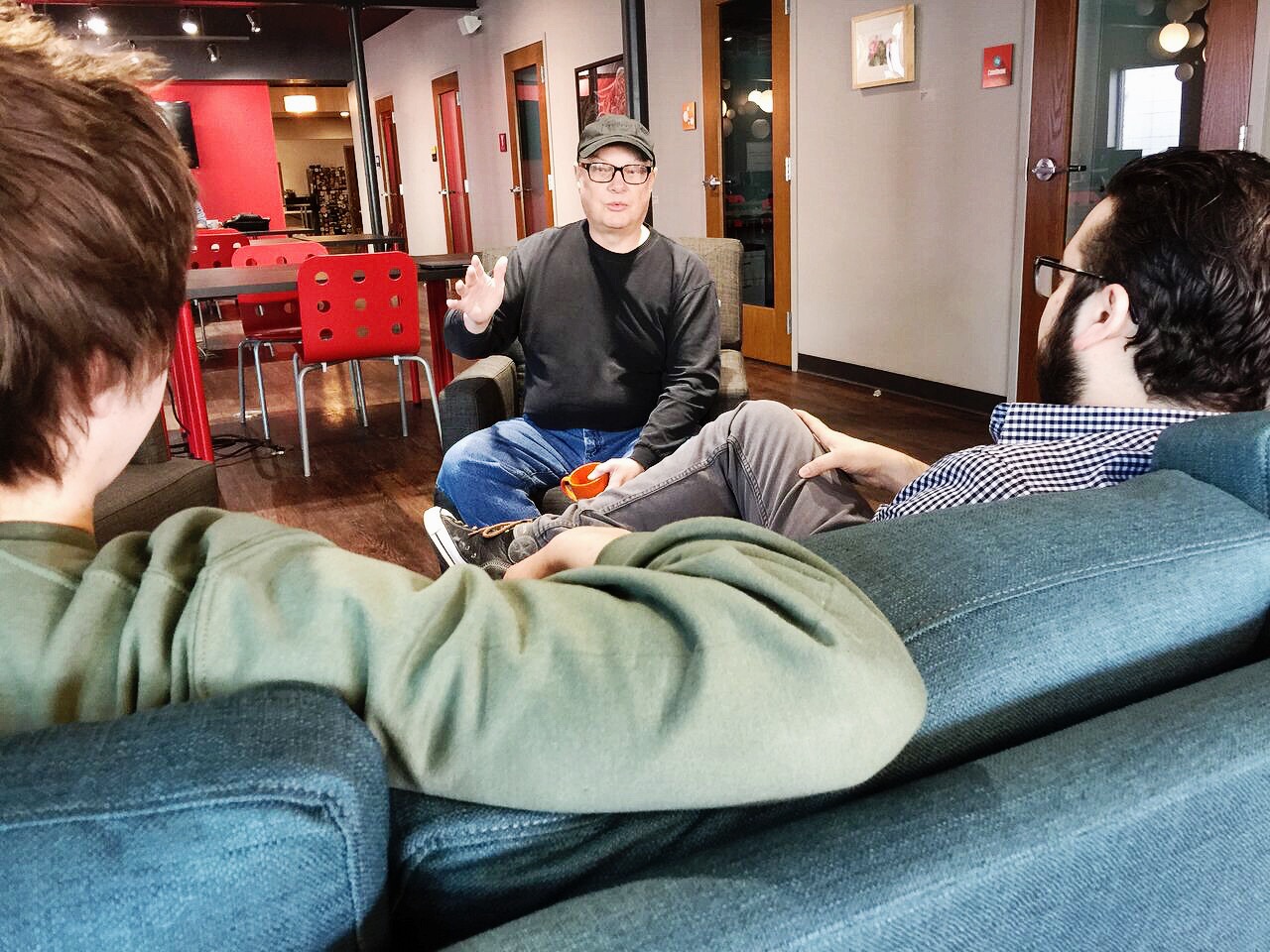
As an entrepreneur himself and a startup coach for the past 15 years, Franks has traveled to counties across northeast Indiana, meeting with entrepreneurs and business leaders one-on-one and tailoring his training to their unique needs—from companies in downtown Fort Wayne to rural LaGrange.
“I listen to people and synthesize ideas,” Franks says. “I’m the additional mind in the room.”
Along with access to advice, Franks says another thing he’s noticed the need for is support and faith, specifically, entrepreneurs having faith in themselves despite failures and setbacks.
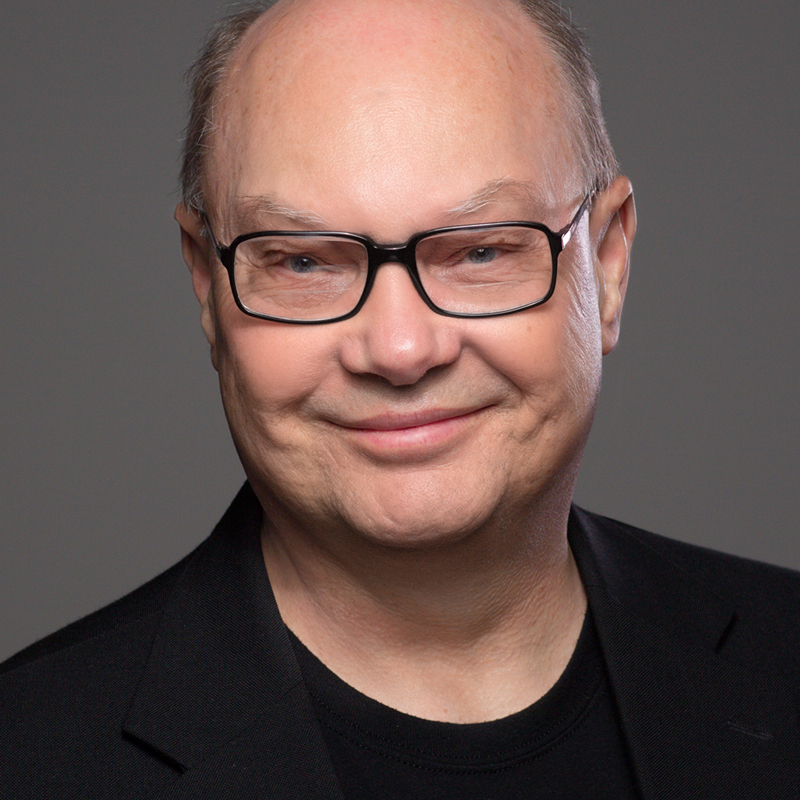
Their first and second ventures might not be successful. They might not even get off the ground. But their third and fourth ventures could be highly effective, and Franks says it’s all part of the learning process.
“How do you become the third company you own? You start the first two,” he explains.
Over his years of coaching, he’s seen promising entrepreneurs with winning ideas leave northeast Indiana for stronger support systems in other mid-size cities like Chattanooga, TN.
But in the last three years, he’s seen new growth in support networks for entrepreneurs here, largely thanks to a co-working space called the Atrium in downtown Fort Wayne, where he is now coaching startups.
At the Atrium, Franks runs a program called Compass, which allows him to help entrepreneurs renting space there and give them connections in the region. He also hosts a Young Entrepreneurs meet-up every month.
At the end of the day, he says it’s all about creating community—the type of community that will help Electric Works and all of northeast Indiana thrive.
Creating a community
Wood floors. Brick walls. Low lights.
Large windows showcase the downtown Fort Wayne skyline, and a kitchen in back offers complimentary Utopian coffee next to a fridge plastered with stickers from local businesses and breweries.
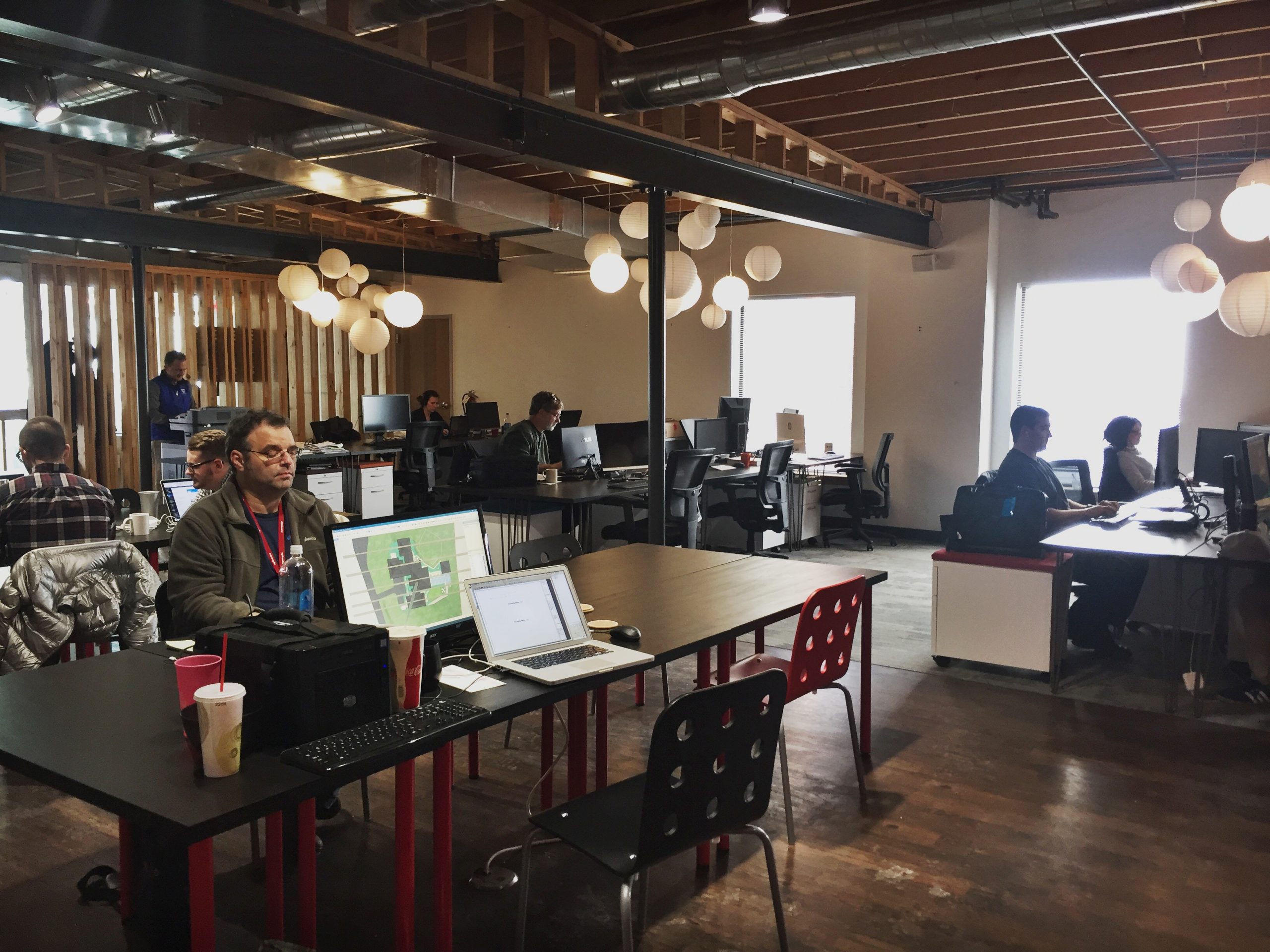
This is the Atrium, a second-home to entrepreneurs and professionals in downtown Fort Wayne who rent workspace at various monthly membership levels, ranging from basic desks to private offices.
The space has the vibe of a college student union. But instead of students, it’s filled with about 30 adults, working behind computers or talking quietly at long tables.
As co-founder of the space, Dave Sanders sips on an energy drink as he describes how it opened about a year ago on the second level of 111 W. Berry Street, and how it’s grown in popularity since then, with more than 100 people attending some of the Atrium’s events.
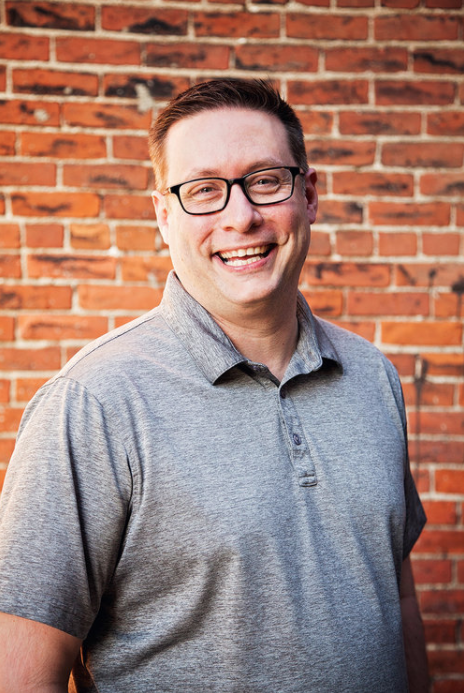
A friend of Franks, Sanders was part of Fort Wayne’s original co-working space downtown called Founders that began in the storefront where Tolon is now.
It started as a simple way for people working from home to hang out and connect in a shared office.
But after a fire and a change of locations, Sanders wanted to rethink the concept, and create more of a community around co-working, like something he experienced when he visited a space near Indianapolis called Launch Fishers.
To create that, he realized that he had to gather a group of like-minded people who shared his vision.
As a software development consultant working from home, Sanders often used social media to stay connected, so that’s where his idea took shape as a group called Start Fort Wayne. It eventually became an official nonprofit, which launched the Atrium, as well as other innovative programs and events around town.
It’s a community by entrepreneurs, for entrepreneurs, and it’s attracting entrepreneurs.
Aaron Robles, 26, is the co-creator of a new social media marketing company at the Atrium called Reactiv Social.
He first heard about the space through another program put on by Start Fort Wayne called 1 Million Cups, a local version of a national event for startups to present their ideas to an audience.
After attending the event since last May, Robles and his business partner Al Linsenmayer started renting a $50 workspace at the Atrium in October. Then they moved up to the $75 per month space. Now they’re at a $150 space, and paying memberships for two interns, as well.
“I’m introducing my interns to people, and I’m being introduced to people,” Robles says. “It’s a breeding ground for connections to happen.”
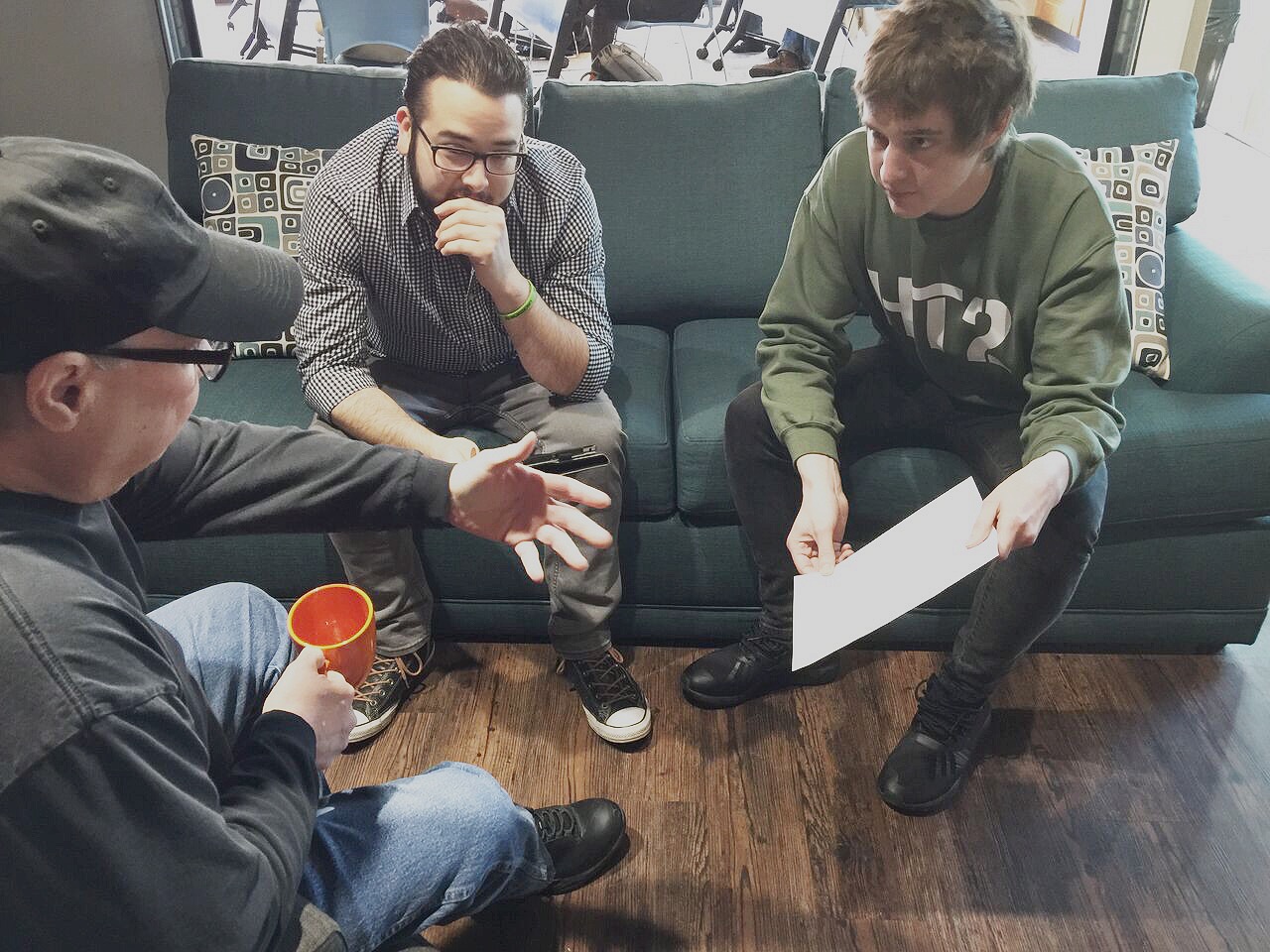
Sanders says Robles’ experience is the goal of Atrium, now led by Executive Director Rhonda Ladig. The idea is to help startups grow to the point that they need to move into their own space downtown, creating more opportunities for high growth companies.
“There’s no reason there couldn’t be a billion-dollar company here,” Sanders says.
Making it happen
If you ask Chris Heivly what makes the American Tobacco Campus special, he’ll tell you it’s the people and the culture they’ve created.
You can’t replicate it or explain it. You have to experience it yourself.
“I can talk about this until I’m blue in the face, but you’ve got to come see it, and when you see it you feel it,” Heivly says.
There’s an elusive quality about what makes an innovative culture, but while the form of that culture shifts depending on its location, the basic foundation for it is something he hopes to instill in Fort Wayne.
A bottom-up, collaborative philosophy, focused on building the density of networks, supporting entrepreneurs, and allowing them to lead the way. And the effects of this culture are wide-reaching.
“It becomes a flywheel effect,” Heivly says. “The American Tobacco Campus was originally the beacon of hope for Durham. It started the renaissance, but now, it’s just one piece of the Durham story.”
With the right combination of people and ideas, planners like Vann Wallstrom hope the community at Electric Works will have a similar effect on northeast Indiana, as one piece of the puzzle in an evolving regional culture.
Author

Related Articles
How Brightpoint helps local businesses adapt during challenging times
While businesses face challenges such as rising costs and changing demand, Katey’s Café, Ambrosia Orchard, and Icing for Izaac are determined to survive.

The Roller Dome: A family tradition across four generations
For more than 75 years, The Roller Dome has provided a family-friendly space for entertainment and fun.
#PlacesofNEI: A second chance for Holly Shopping in downtown Fort Wayne
After heavy snow on Small Business Saturday that lowered attendance, Holly Shopping is coming back to downtown Fort Wayne again on Dec. 20.